Iron, Vitamin D & Hair Loss: What Your Follicles May Be Missing
Still shedding? The next clue may be beneath the surface.
Persistent shedding may reflect more than what touches the scalp. Learn how iron stores, vitamin D, hair cycling, and appropriate testing fit into a responsible investigation.
You changed the shampoo.
You bought the serum.
You started taking better care of your scalp.
You may have even cut back on heat, protective styles or anything else you thought could be contributing to your shedding.
But your hair is still coming out.
Sometimes the problem isn't sitting on the scalp at all.
Sometimes the hair is responding to something happening inside the body.
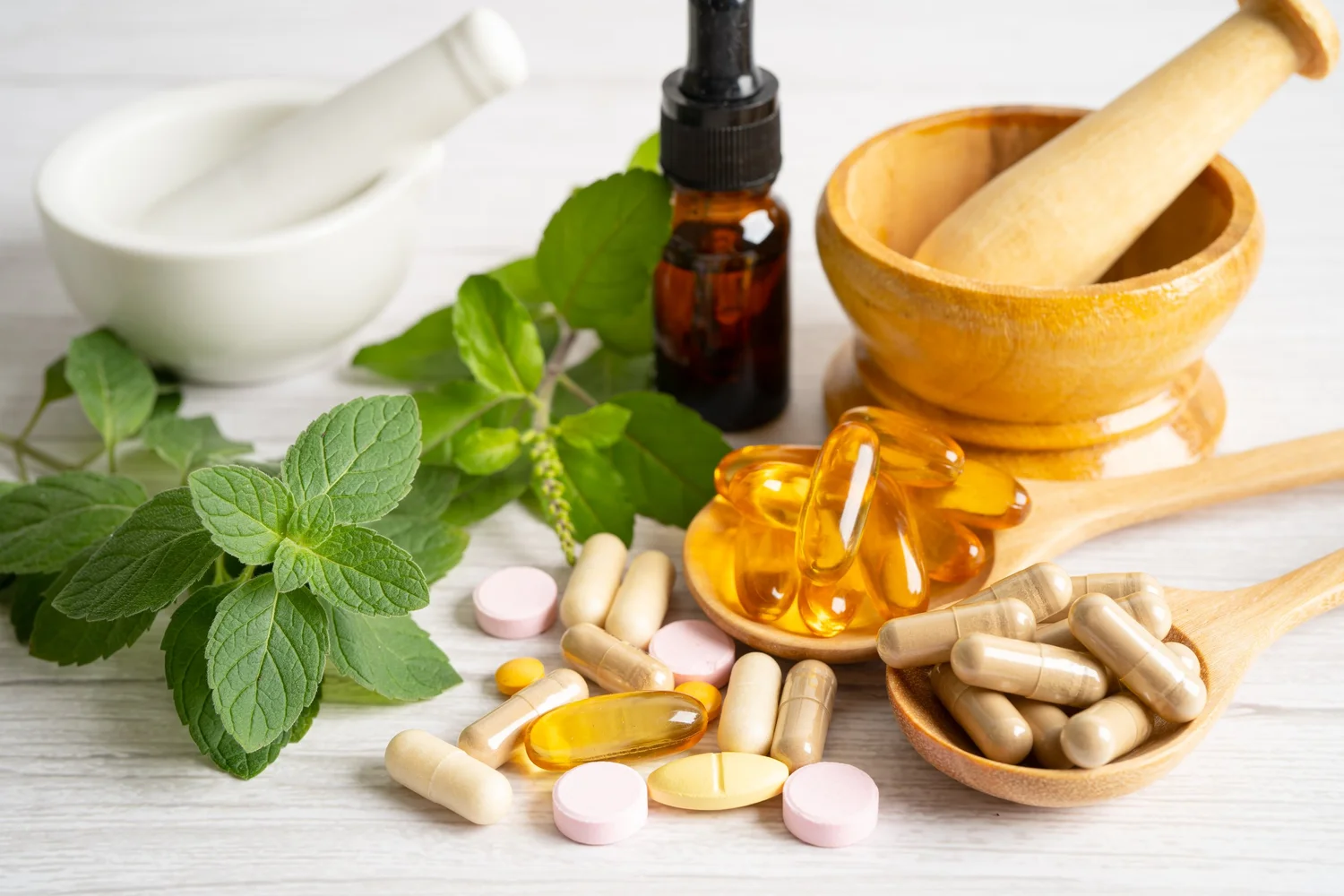
Two nutrients that continue to come up in hair-loss research are iron and vitamin D, particularly in people experiencing diffuse shedding and telogen effluvium.
And while neither nutrient should be treated as a magical hair-growth vitamin, deficiencies can matter.
This Is Why Hair Loss Requires Investigation
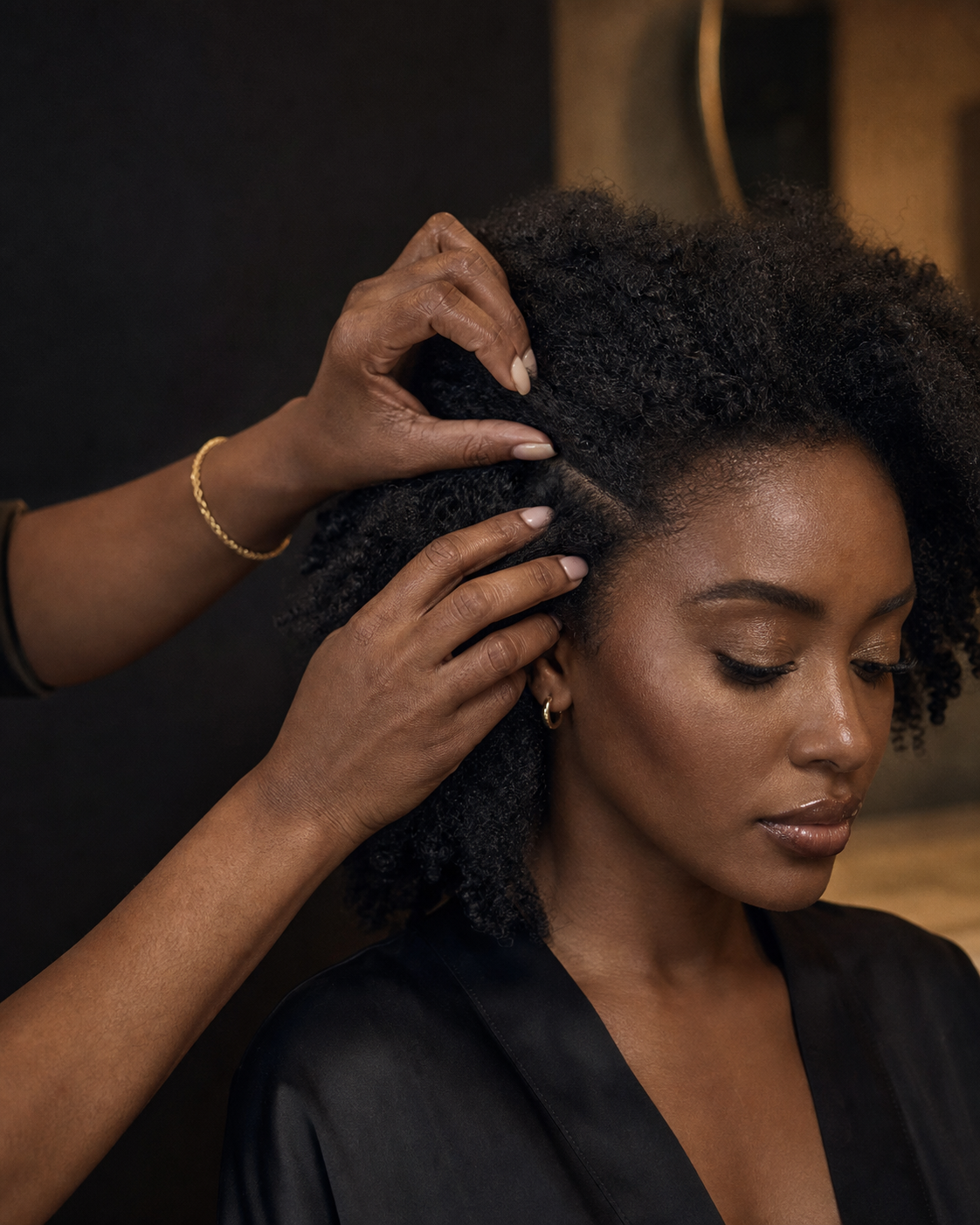
When someone sits in my chair experiencing hair loss, my job isn't simply to find another product to put on the scalp.
It's to pay attention.
Where is the thinning occurring?
Is it diffuse or localized?
Are follicular openings still visible?
Is there redness?
Scale?
Tenderness?
Inflammation?
Breakage?
Excessive shedding?
Has the density changed since the last visit?
Those observations matter.
But scalp analysis has limits.
I cannot look through a scalp-analysis camera and see someone's ferritin level.
I cannot examine a follicle and determine their vitamin D status.
And a serum applied to the scalp cannot correct an internal nutrient deficiency.
That is where collaboration becomes important.
Your Hair Follicles Need Resources
Hair is not an essential organ.
That sounds a little harsh, especially coming from someone whose entire career revolves around hair, but your body has priorities.
Your heart, brain, lungs and other vital systems come first.
Hair growth is an incredibly active biological process, but when the body is under physical stress, experiencing significant weight loss, dealing with illness or lacking certain nutrients, normal hair cycling can be affected.
One possible result is telogen effluvium, a form of diffuse, non-scarring shedding in which more hairs than usual transition into the resting and shedding stages of the hair cycle.
Nutrition is only one potential trigger, but it is an important one to consider.
A 2026 systematic review and meta-analysis examining telogen effluvium found significantly lower ferritin and vitamin D levels among people with telogen effluvium compared with controls. The authors also emphasized considerable variability among the studies, which is important because an association does not mean every case of shedding is caused by a nutritional deficiency.
That distinction matters.
The lesson isn't:
Hair is falling out? Take vitamins.
The better question is:
Could something internally be contributing to what we're seeing externally?
Let's Talk About Iron
Iron plays several important roles in the body, including helping make hemoglobin, the protein in red blood cells responsible for carrying oxygen.
When discussing hair loss, you may also hear the word ferritin.
Ferritin is a protein that stores iron, and a ferritin blood test can help clinicians evaluate the body's iron stores.
This is where things can get confusing.
Someone may hear:
“My hemoglobin was normal.”
…and assume that means their iron status cannot possibly be relevant.
But hemoglobin and ferritin are not the same measurement.
A CBC, or complete blood count, evaluates components of the blood including hemoglobin. Ferritin gives clinicians additional information about stored iron.
That doesn't mean every person with a lower ferritin number has hair loss because of iron. It means the full clinical picture matters.
The American Academy of Dermatology recognizes inadequate iron intake as one potential contributor to noticeable hair loss and recommends identifying an actual deficiency rather than automatically supplementing.
Now Let's Talk About Vitamin D
Vitamin D often gets talked about as the “sunshine vitamin,” but its biological role reaches far beyond bones.
Vitamin D signaling is involved in normal hair-follicle development and cycling.
Researchers have repeatedly found associations between lower vitamin D levels and several forms of hair loss.
A large systematic review and meta-analysis examining vitamin D deficiency across different alopecias found vitamin D deficiency frequently among patients with alopecia areata, female-pattern hair loss, androgenetic alopecia and telogen effluvium.
Another meta-analysis involving more than 3,000 patients with non-scarring alopecia found lower serum vitamin D levels and a higher incidence of vitamin D deficiency compared with healthy controls.
That sounds compelling, but here's where we need to keep our science hat on.
Association does not automatically equal causation.
Finding lower vitamin D levels in people experiencing hair loss does not prove that vitamin D deficiency caused every person's hair loss.
And it certainly doesn't mean taking large doses of vitamin D will automatically make hair grow.
Reviews of the research have specifically noted that stronger evidence is still needed to determine exactly how effective vitamin D supplementation is as a hair-loss treatment.
So Should You Start Taking Iron and Vitamin D?
Not necessarily.
And please don't let TikTok diagnose your bloodstream.
Supplements are useful when they are addressing an actual need. They aren't harmless just because they come in a cute bottle beside the vitamins at Target.
The American Academy of Dermatology recommends using blood testing to determine whether certain nutrient deficiencies are present before taking supplements for hair loss. It specifically warns that excessive intake of some nutrients can cause health problems and, ironically, too much of certain nutrients can contribute to hair loss.
Iron is an especially important example because excessive iron can be harmful.
More does not equal better.
Correction is different from supplementation for the sake of supplementation.
What About the “Perfect Ferritin Level for Hair Growth”?
This one deserves its own conversation because social media loves a magic number.
You may see videos claiming:
“Your ferritin needs to be above 50.”
Or 70.
Or 100.
The problem is that research has not established one universally accepted ferritin number that guarantees optimal hair growth for every person.
Laboratory ranges, symptoms, medical history, inflammatory conditions, menstruation, pregnancy, diet and other factors can influence how healthcare professionals interpret iron studies.
So instead of chasing someone else's laboratory number, the better approach is having your own results interpreted in the context of your health and your hair-loss pattern.
When It May Be Time to Ask About Bloodwork
If you're experiencing unexplained or persistent shedding, speak with your healthcare provider or dermatologist.
Depending on your history and symptoms, they may determine that laboratory testing is appropriate.
That conversation might include asking whether testing things such as a CBC, ferritin and iron studies, vitamin D, thyroid markers or other nutrients makes sense for you.
That does not mean everyone experiencing hair loss needs every laboratory test available.
It means the investigation should be individualized.
The American Academy of Dermatology notes that when a vitamin deficiency, hormonal imbalance, infection or other medical cause is suspected, dermatologists may use blood testing or other diagnostic tools to help determine what's driving the hair loss.
Your Scalp Care Still Matters
None of this means professional scalp care suddenly becomes irrelevant.
Quite the opposite.
Hair loss can have more than one contributor occurring at the same time.
A person can have low iron stores and seborrheic dermatitis.
Hormonal changes and traction.
Telogen effluvium and breakage.
Genetic thinning and scalp inflammation.
Good scalp care helps create an environment where the scalp is appropriately cleansed, inflammation and buildup can be recognized, damaging practices can be addressed and changes in density can be monitored.
But good scalp care also requires knowing when the answer isn't another scalp treatment.
Sometimes the most responsible thing I can say is:
“I think this deserves a conversation with your healthcare provider.”
The Crown Classroom Takeaway
Hair loss isn't always about what you're putting on your hair.
Sometimes we have to ask what the body has available to support the follicle in the first place.
Iron and vitamin D deficiencies can be associated with hair shedding, particularly telogen effluvium, but neither should be self-diagnosed or treated blindly.
Before buying another supplement because someone online said it grew their hair:
Investigate first.
Test when medically appropriate.
Correct true deficiencies with your healthcare provider.
Continue caring for your scalp.
And most importantly, stop treating every form of hair loss as though it has the same cause.
Because healthy hair care isn't just about growing hair.
It's about learning how to listen when your hair is telling you that something may be changing beneath the surface.
Protect your crown. Start at the root.
Investigate Before You Supplement
Persistent shedding deserves an individualized investigation. Test when medically appropriate, correct confirmed deficiencies with your healthcare provider, and continue caring for your scalp while you listen to what the pattern may be telling you.
Let your hair tell the whole story.
Book a scalp consultation to document the pattern, symptoms, and changes you can see—and to identify when a conversation with your healthcare provider or dermatologist belongs in the next step.
Book a Scalp Consultation