Breaking Down the Dangers of Synthetic Hair on Scalp Health
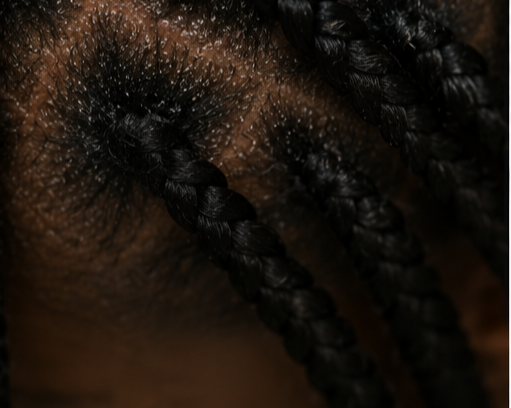
Protective styles should protect the hair and scalp, not expose the wearer to hidden irritants.
What Every Protective Style Wearer Should Know
Protective styles like braids, twists, and extensions have long been celebrated in natural hair culture. They are beautiful, versatile, and often marketed as a healthier alternative to heat styling or chemical treatments.
But in recent years, dermatologists and public health researchers have started asking an important question: What exactly is in the synthetic hair we are installing?
As a stylist who prioritizes scalp health, I believe education is essential. Protective styles should protect your hair and scalp—not expose you to hidden irritants. Let’s break down what the research says about synthetic hair and why it may affect scalp health more than most people realize.
What Synthetic Braiding Hair Is Actually Made Of
Most synthetic braiding hair is made from plastic fibers, typically acrylic-based materials such as Kanekalon, Toyokalon, and polyester. These fibers are designed to mimic the look and feel of human hair while remaining lightweight and inexpensive.
These materials are not simply plastic strands. During manufacturing, they may be treated with flame retardants, synthetic dyes, waterproofing agents, antimicrobial treatments, and conditioning coatings.
Researchers analyzing hair-extension materials have identified hundreds of chemical compounds used in processing these fibers. Because braiding hair is classified more like a textile than a cosmetic product, manufacturers are not required to disclose ingredients or perform extensive safety testing. That lack of transparency is where many scalp concerns begin.
How Synthetic Hair Affects the Scalp
Your scalp is living skin. It contains blood vessels, sebaceous glands, nerve endings, and hair follicles, all of which can react to chemical exposure. When synthetic hair sits on the scalp for weeks, it creates multiple opportunities for irritation.
Contact Dermatitis and Scalp Irritation
Dermatologists have documented cases in which synthetic hair triggered irritant or allergic contact dermatitis. Symptoms may include intense itching, redness or rash along the scalp or neck, burning sensations, and small bumps or inflammation.
A clinical case series found that women wearing synthetic extensions developed pruritic skin eruptions linked to the hair fibers themselves. Many people dismiss itching as normal for braids, but persistent irritation is often a sign that the scalp barrier is being disrupted.
Inflammation of the Hair Follicles
When the scalp becomes irritated, inflammation can affect the hair follicle. It may contribute to folliculitis, increased scalp sensitivity, and weakened hair-growth cycles. Chronic inflammation around the follicle can eventually contribute to hair thinning or breakage over time.
Chemical Exposure During Heat Sealing
Many braid styles are sealed with hot-water dipping or flame sealing. Research has shown that heating synthetic hair releases volatile organic compounds into the air, including benzene and chlorinated compounds.
These fumes can be inhaled by both the stylist and the client during installation. The emissions may irritate the respiratory tract and contribute to headaches, throat irritation, dizziness, or respiratory discomfort. For stylists who braid daily, that exposure can accumulate over time.
Traction and Fiber Friction
Synthetic hair differs from human hair in surface texture and rigidity. The fibers can create added tension and friction along the scalp, particularly when styles are installed tightly.
The combination of tension, chemical exposure, and friction increases the risk of traction alopecia, scalp inflammation, and breakage at the root. Protective styles should reduce stress on the hair. When installed improperly or with heavy synthetic fibers, they can do the opposite.
Why These Issues Are Often Overlooked
Historically, very few studies focused on hair products primarily used by Black women. Synthetic braiding hair also falls into a regulatory gray area where ingredient disclosure is not required.
Cultural normalization plays a role, too. Many people assume that itching or irritation during braids is simply part of the process. But discomfort is not normal scalp health.
Signs Your Scalp May Be Reacting to Synthetic Hair
Pay attention to your scalp during the first few days after installation. Warning signs may include:
- Persistent itching or burning
- Rash along the hairline or nape
- Small bumps around the follicles
- Headaches or sensitivity to smell
- Excessive dryness or flaking
If these symptoms occur, removing the style may be necessary to allow the scalp to recover. Persistent, severe, or worsening scalp or respiratory symptoms deserve evaluation by a qualified healthcare professional.
Healthier Alternatives to Consider
If you love protective styles but want to reduce potential scalp stress, there are other options to explore.
Plant-Based or Biodegradable Braiding Fibers
Some companies are developing extensions made from banana fiber, collagen protein fibers, and other plant-based materials. These alternatives are designed to reduce chemical coatings.
Human-Hair Extensions
Human hair tends to contain fewer synthetic coatings, though it may still undergo chemical processing.
Synthetic-Hair Preparation
Some people try vinegar rinses before installation to remove coatings. However, scientific evidence is limited on whether this method significantly reduces chemical exposure.
A Balanced Perspective
It is important to approach this conversation thoughtfully. Millions of people wear synthetic braids without severe health issues. At the same time, emerging research suggests that long-term chemical exposure from these fibers deserves more attention.
Awareness allows us to make informed choices. Protective styles can still be part of a healthy hair routine, but scalp health should always remain the priority.
The Bottom Line
Synthetic braiding hair has helped shape some of the most beautiful and culturally significant hairstyles in the world. But the materials used to create those styles are not always as harmless as they appear.
Research is beginning to reveal that some synthetic-hair products may contain chemicals capable of irritating the scalp, releasing toxic compounds when heated, and contributing to longer-term health concerns. Your scalp is living skin, and it deserves the same care and protection as the rest of your body.
As we continue learning more about the science behind hair products, the goal is not fear—it is informed, healthier beauty practice. True protective styling should protect both your hair and your health.
Keep scalp health at the center of every style.
Continue exploring practical, science-conscious guidance for natural hair and scalp wellness in the Treasuring Tresses Journal.
Explore the Journal